
Home renovation projects are exciting endeavors that allow homeowners to transform their living spaces into personalized sanctuaries. While the allure of revamping your surroundings is undeniable, it’s important to remember that safety should always remain a paramount concern throughout the renovation process. Beyond the physical construction work, the design phase itself plays a significant role in ensuring the safety of both occupants and the integrity of the structure. In this article, we will delve into the importance of safety when renovating your home, focusing specifically on safety within the design aspect.
Creating Safe Pathways
During the design stage, one must consider the layout of the renovated space to ensure safe and intuitive pathways. Open and unobstructed pathways reduce the risk of accidents by preventing tripping hazards and providing easy access between rooms. The positioning of furniture, fixtures, and decorative elements should promote free movement, taking into account factors like door swings and comfortable walking spaces.
Furthermore, the location of electrical outlets and switches should also be thoughtfully planned. Properly positioned outlets prevent the need for excessive extension cords, reducing the risk of electrical fires and tripping hazards. By addressing these design considerations, homeowners can create a harmonious environment that fosters both aesthetics and safety.
Child and Pet Safety
If your household includes children or pets, their safety must be a top priority during the renovation design phase. Incorporate features like rounded corners on furniture, cabinet locks, and childproof electrical outlets. In open-concept designs, consider installing safety gates to prevent access to potentially hazardous areas.

Natural Lighting and Ventilation
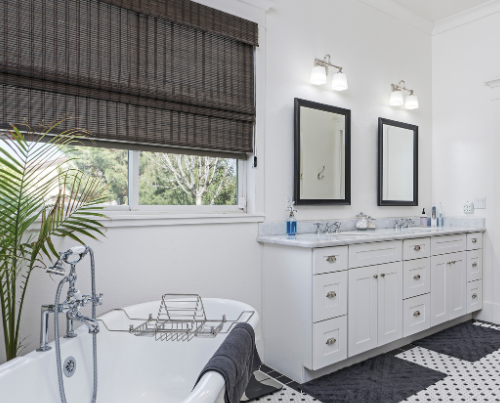
Proper natural lighting and ventilation not only enhance the aesthetics of a renovated space but also contribute to its safety. Well-lit areas reduce the chances of accidents due to poor visibility, and adequate ventilation prevents the buildup of moisture, which can lead to mold growth and compromise indoor air quality.
When planning your renovation design, focus on maximizing the use of natural light by incorporating larger windows, skylights, or light wells. Ensure that these design elements align with the overall aesthetic while maintaining safety considerations.
Materials Selection
The choice of materials in renovation design significantly impacts safety. Opting for fire-resistant materials can drastically reduce the risk of a potential fire hazard. Additionally, materials that are less prone to wear and tear will ensure the longevity of your renovation and prevent hazards caused by degradation over time.
For example, when selecting flooring materials, consider those that offer slip-resistant surfaces, especially in high-moisture areas like bathrooms and kitchens. In this way, safety is seamlessly integrated into the design, protecting your loved ones from potential accidents.
Natural Lighting and Ventilation
Proper natural lighting and ventilation not only enhance the aesthetics of a renovated space but also contribute to its safety. Well-lit areas reduce the chances of accidents due to poor visibility, and adequate ventilation prevents the buildup of moisture, which can lead to mold growth and compromise indoor air quality.
When planning your renovation design, focus on maximizing the use of natural light by incorporating larger windows, skylights, or light wells. Ensure that these design elements align with the overall aesthetic while maintaining safety considerations.
Accessible Design
Safety in renovation design also extends to inclusivity. A well-designed renovation should be accessible to everyone, regardless of age or physical ability. Implementing universal design principles, such as wider doorways and hallways, grab bars in bathrooms, and no-step entries, ensures that your home is safe and welcoming for all occupants.
Creating Zones
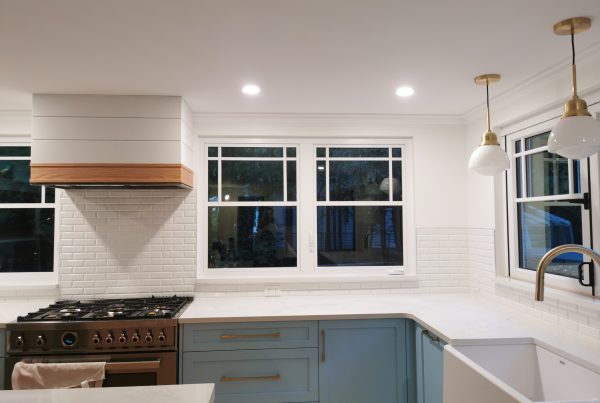
Dividing your renovation into functional zones can help organize the space and improve safety. For instance, clearly defining cooking, dining, and relaxation areas in an open kitchen design prevents accidents by reducing congestion and potential collisions.
Zoning also extends to storage. Adequate storage solutions ensure that items are properly stowed away, preventing clutter that can lead to trips and falls. Incorporating storage in design planning maintains a seamless balance between aesthetics and safety.
In the pursuit of realizing your dream home through renovation, safety should always remain at the forefront of your design considerations. Crafting a space that is both visually appealing and secure requires thoughtful planning and an understanding of the potential hazards that each design choice might present.
By focusing on creating safe pathways, selecting appropriate materials, optimizing natural lighting and ventilation, implementing accessible design, and accounting for the safety of children and pets, you can seamlessly integrate safety measures into your renovation design. Remember, a well-designed renovation not only transforms your living space but also provides you and your loved ones with the peace of mind that comes from knowing that your home is a haven of both beauty and safety.